Exhibits
Art Gallery
Blind Spot
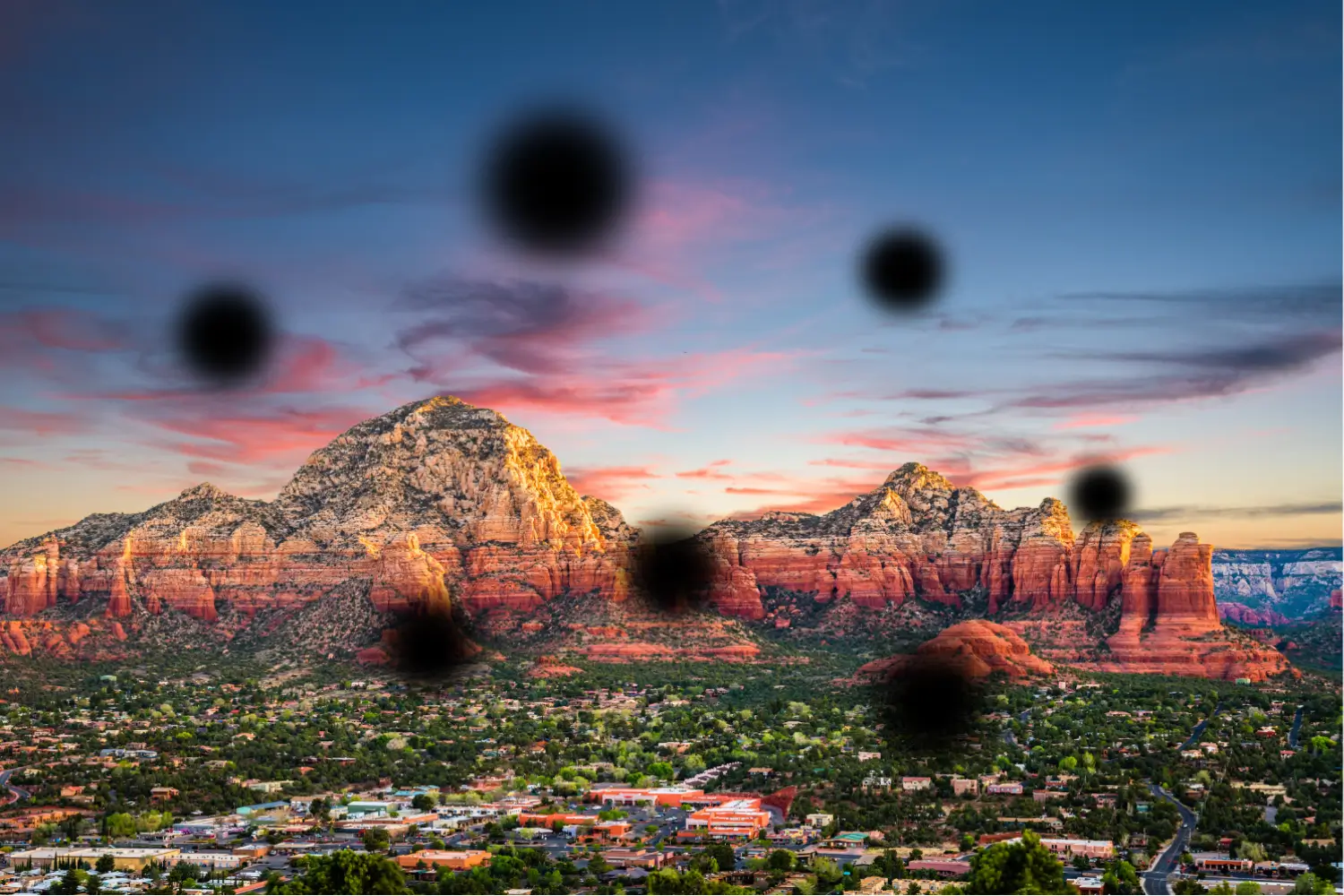
Scintillating Scotoma
Migraine is a complex neurological event that involves many symptoms well beyond its characteristic moderate to severe pulsatile pain. Migraine aura, for example, is thought to arise (in part) from a wave of depolarization (increased neuronal activity) progressing across the cortex of the brain. Normally under strict inhibitory regulation from brainstem structures, the occipital lobe is particularly vulnerable to this process. Hence, 90% of migraine aura is visual in nature. As this wave of electrical activity spreads across the cortex it often creates what is known as a scintillating scotoma, a process first described in the 19th century by physician Hubert Airy.
During a scintillating scotoma, one will visualize a spot of flickering light near or in the center of their visual field. This spot then gradually expands outward affecting vision. This event is present in both eyes (binocular) and affects a visual field (homonymous) as it is derived from the cortex (not the eye itself). In contrast, retinal migraine is associated with visual changes limited to just one eye and involves depolarization of the neurons in the retina itself. Visual auras generally last less than 60 minutes, but “prolonged visual migraine aura” can occur as can “persistent visual migraine aura”. If symptoms persist for longer than two hours, other potential etiologies must be eliminated. Visual migraine aura without headache can also occur and is commonly (and incorrectly) referred to as “ocular migraines” by layman. Other notable visual changes associated with migraine include “visual splitting” (parts of an image shifting upward or downward), photophobia (sensitivity to light), palinopsia (perseveration of a visual images [an “after image”]), entopic phenomenon (excessive floaters), nyctalopia (inability to see in dim lights) and “visual snow” (a continuous presence of countless small dots or pixelation in the entire visual field). Visual snow is often described as “TV static” in reference to old analog televisions. Of interest, LSD and/or ecstasy abuse has been associated with the presence of persistent “visual snow” as well. Unrelated, is the condition known as “ophthalmoplegic migraine” (also known as “recurrent painful ophthalmoplegic neuropathy”) which is characterized by transient (often horizontal [images side-by-side]) double vision. This is most seen in children.
Fortification Spectrum
Visual distortions are the most common aura associated with migraine headache. According to the International Classification of Headache Disorders, 3rd edition (ICHD-3), “They often presents as a fortification spectrum: a zigzag figure near the point of fixation that may gradually spread right or left and assume a laterally convex shape with an angulated scintillating edge, leaving absolute or variable degrees of relative scotoma in its wake”. The underlying substrate accounting for this clinical symptom is a wave of electrical activity spreading across the occipital cortex. When neurons in this region are activated, they give the perception of an image that truly is not present.

This is known as a “positive” aura phenomenon. In contrast, the inability to see something that truly is present, is known as a “scotoma” and represents a “negative” phenomenon. The name “fortification” is derived from the sharp angulated borders often used by militaries to build forts of major significance. This structural design is thought to be easier to defend against oncoming enemies. For example, Fort Pitt (previously located on the grounds of present-day Pittsburgh, PA), a key military post during both the French and Indian War as well as the Revolutionary War, had flanks like the edges depicted in this artwork. The medical term “teichopsia” refers to brightly colored, shimmering spectral lights. When teichopsia occurs within the clinical setting of migraine, it is synonymous with a fortification spectrum.

Chronic Migraine with Cranial Autonomic Symptoms
When years lived with the disorder are considered, migraine headache is the world’s second most debilitating medical condition. Approximately 39 million Americans have this debilitating disorder with women (~20%) being affected three-times more commonly than men (6%). Migraine is broken down into two different patterns denoting frequency, either “episodic” or “chronic”. Individuals with the episodic pattern experience headache fourteen or less days per month.
The chronic pattern (as seen in ~4% of the population), is characterized by headaches that occur fifteen or more days per month for longer than three months. There are many reasons why one may “transform” from a pattern of episodic migraine into chronic migraine (sometimes called “transformed migraine”), but one of the most common reasons is the frequent use of acute pain medications. When this occurs, it is commonly referred to as “medication overuse headache (MOH)” and can make the management of underlying migraine more complex/difficult. This was also previously referred to as “rebound headache”. Migraine pain is generally moderate to severe in intensity, one-sided (but often bilateral in cases of chronic migraine), associated with a throbbing quality and made worse by routine physical activity (e.g., bending over or going up stairs). Migraine attacks may or may not be associated with a preceding aura and are often associated with nausea and/or vomiting as well as light (photophobia), sound (phonophobia) or smell (osmophobia) sensitivity. Because the cranial nerve associated with migraine (CN V- trigeminal nerve) is neuroanatomically connected to CN VII (facial nerve), migraine pain can be associated with cranial autonomic symptoms such as watery eyes and nasal drainage.
Tension-Type Headache & “Sinus Headache”
Tension-type headache (TTH) is the most prevalent headache disorder world-wide, but seldom does it result in disability or consultation with a medical professional. TTH can last hours to days and be associated with either an episodic (<15 days per month) or a chronic pattern (15 or more headache days per month on average for >3 months). The pain associated with TTH tends to be bilateral (both sides), non-pulsatile, mild to moderate in severity and not aggravated by routine physical activity. Generally, TTH lacks associated features of photophobia (light sensitivity), phonophobia (sound sensitivity) and nausea/vomiting.

Migraine brought on by stress or tension and/or associated with muscle tightness is frequently misdiagnosed as TTH often leading to ineffective treatments. Likewise, “sinus headache” is a misnomer and more times than not is underlying migraine. Case in point, migraine associated with facial pain (“facial migraine”) and/or “sinus-like” symptoms (“migraine with cranial autonomic features”) is commonly misdiagnosed as such. The International Classification of Headache Disorders, 3rd edition (ICHD-3), in fact, doesn’t acknowledge “sinus headache” as a legitimate diagnosis. The ICHD-3 does recognize “headache attributed to acute rhinosinusitis”, in essence, headache secondary to an underlying sinus infection.
Hemicrania Continua
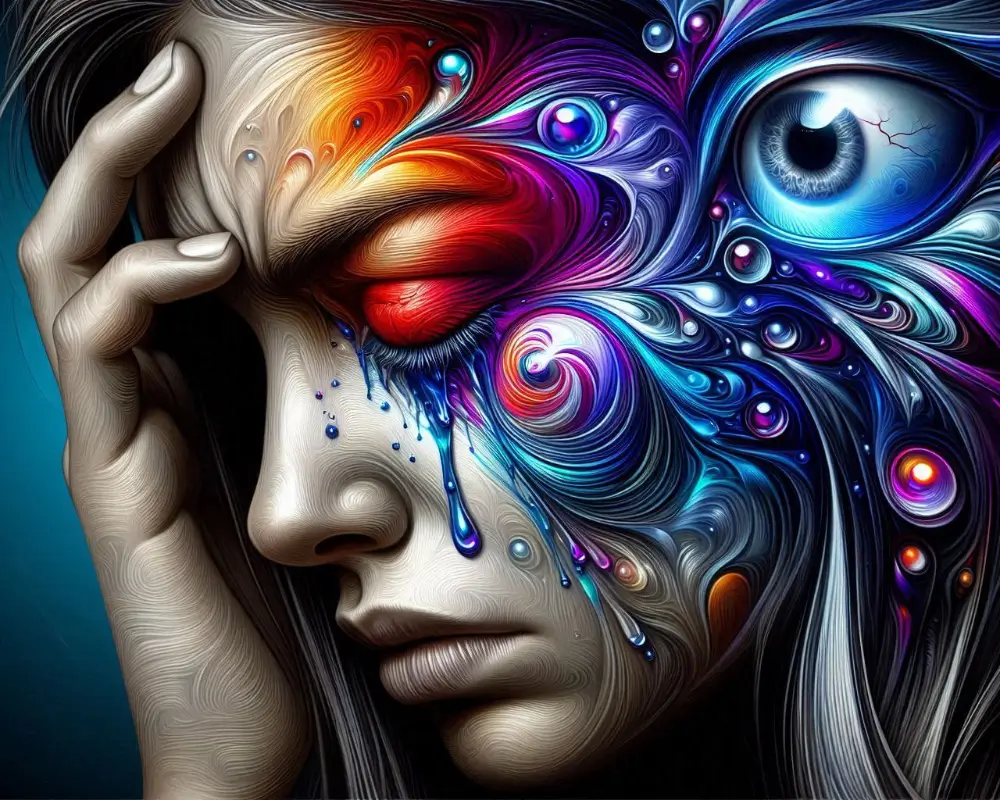
Often mistaken as migraine, hemicrania continua (HC) is a distinct primary headache disorder characterized by a “side-locked” (one-sided and always on the same side of the head) location and continuous nature. The pain associated with HC may fluctuate in severity but never entirely disappears. Likewise, flare-ups (known as “exacerbations”) of pain are often associated with ipsilateral (same side as headache) cranial autonomic features (e.g., tearing, drooping eyelid, reddening of the eye, nasal drainage, etc.). Because of these cranial autonomic features and a proposed unifying underlying pathophysiology, HC is classified as a trigeminal autonomic cephalalgia (TAC).
Somewhat unique to HC, sufferers can often experience ipsilateral photophobia (sensitivity to light) and a sensation of something in one’s eye like a grit of sand. Not only is HC clinically distinct from migraine, but its treatment is entirely different as well. In this regard, it is one of the seven “indomethacin-responsive headache syndromes” (IRHS).” That is, when the correct dose of indomethacin is implemented, it acts like a “silver bullet” providing “absolute” headache relief. The other IRHS include paroxysmal hemicrania, primary stabbing headache (aka “icepick” headache”), hypnic headache (a unique headache which only initiates during sleep), primary cough headache (aka Valsalva-induced headache), primary exercise headache and primary headache associated with sexual activity (PHASA).
Migraine with Aura
Commonly misunderstood, the presence of an aura is not a requirement for the diagnosis of migraine. Some studies, in fact, state that aura may occur in only 12-15% of migraineurs (individuals who get migraine). Likewise, individuals with migraine may experience attacks either with aura (previously known as “classic migraine”) or without aura (previously known as “common migraine”). According to the International Classification of Headache Disorders, 3rd Edition (ICHD-3), aura is a “recurrent attack, lasting minutes typically, of unilateral (one-sided), fully reversible symptoms that usually develop gradually and are followed by headache and migraine symptoms”.

Auras typically evolve over five minutes and last for up to an hour. Another frequent misconception is that aura is synonymous with visual changes. Visual aura is indeed the most common aura (comprising some 90% of all auras) but there are a variety of non-visual auras that may occur as well. For example, a “pins and needles” (positive phenomenon) sensation or lack of sensation (anesthesia, a negative phenomenon) may be present. Migraine with brainstem aura (previously known as “basilar migraine”) is a dramatic example of a non-visual aura. It includes neurologic deficits such as dysarthria (slurred speech), vertigo (spinning sensation), tinnitus (ringing in the ears), hyperacusis (error in loudness perception), diplopia (double vision) and ataxia (clumsy voluntary movements) that localize to the brainstem. Also striking and concerning in clinical presentation is hemiplegic migraine. It is a rare type of migraine associated with fully reversible motor weakness that can last up to 72 hours (or even several weeks in some). Migraine with visual aura can also be astonishing. For example, visual distortions associated with “Alice in Wonderland” syndrome can be associated with remarkable disturbances in observed body parts. A body part may appear “enlarged or shrunken” or emanating a foreign substance.
Trigeminal Autonomic Cephalalgias
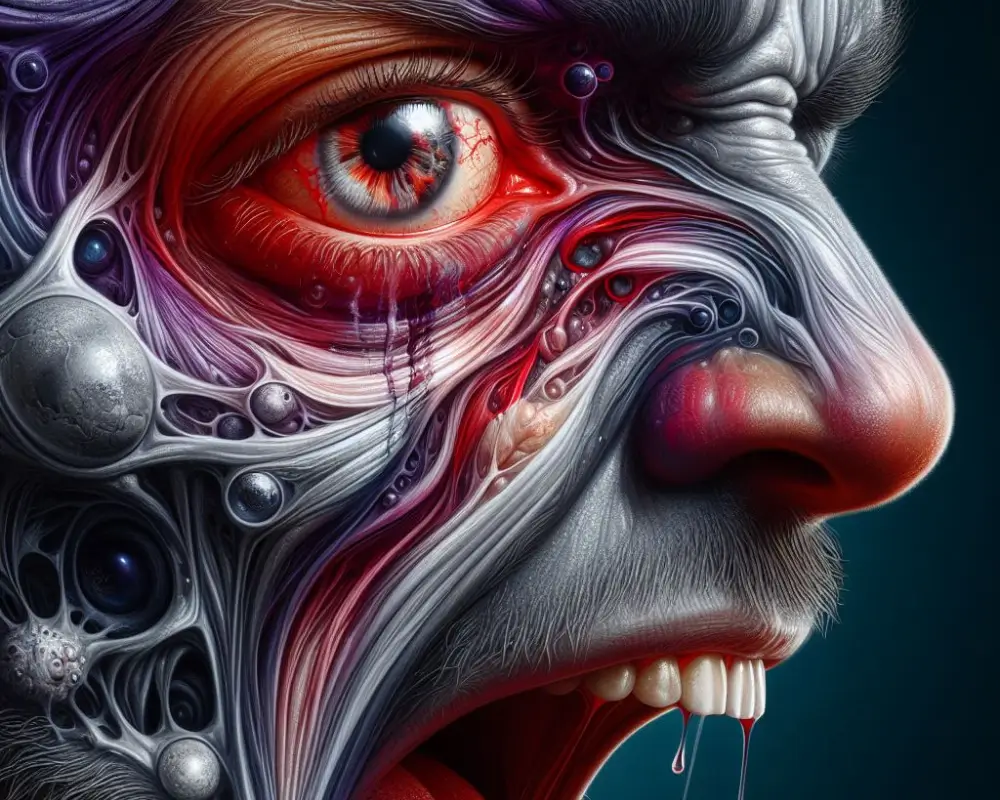
Cluster headache is the most recognized of the trigeminal autonomic cephalalgias (TACs) which also include paroxysmal hemicrania, SUNCT syndrome and hemicrania continua (HC). These primary headache disorders are characterized by a prominent one-sided (unilateral) headache and ipsilateral (same side as the headache) cranial autonomic features. Cranial autonomic features tend to be most prominent when the headache is at its worst and include such symptoms as lacrimation (tearing), conjunctival injection (reddening of the eye) and rhinorrhea (nasal drainage).
Cephalalgiaphobia
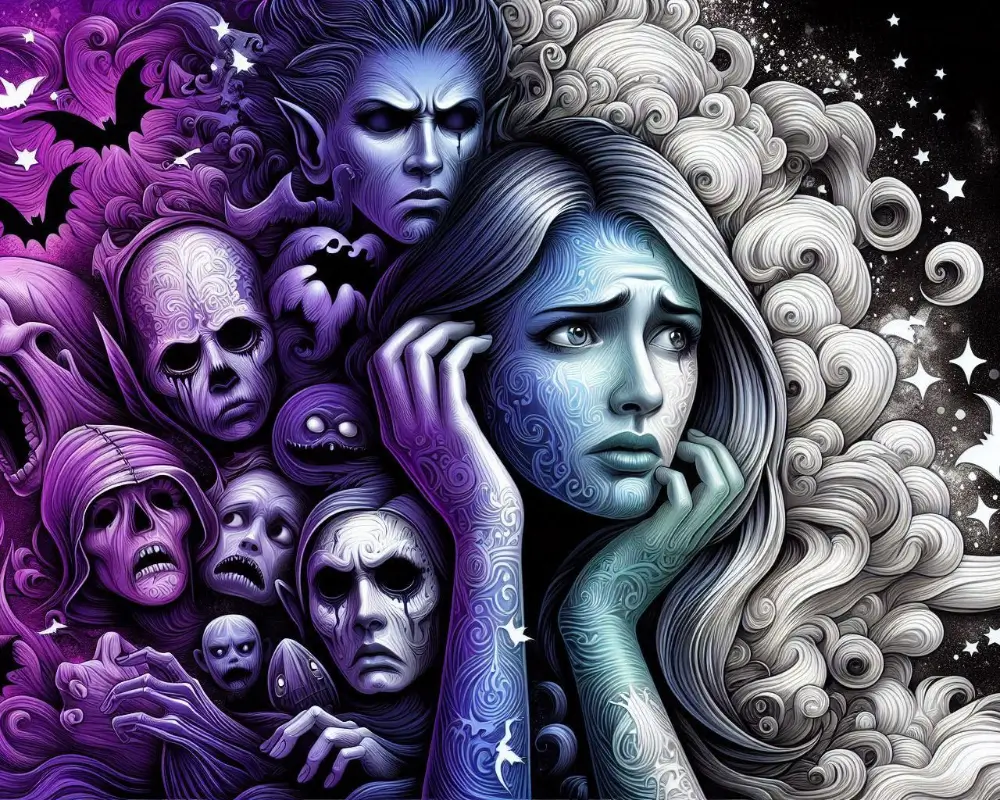
The term “cephalalgiaphobia” (pronounced, “sef-uh-lal-jee-uh-foh-bee-uh”) was introduced in the mid-1980’s by Dr. Harvey Featherstone. It is derived from the Latin terms “cephalic” referring to the head, “algia” denoting pain, and “phobia” meaning excessive fear or aversion. The verbiage is used to describe the fear of experiencing head pain or migraine-related pain during periods of pain freedom. This phenomenon is more likely to occur in those with chronic migraine but may be present in those with other headache or facial pain disorders. Cephalalgiaphobia can create “inter-ictal” (between attacks) anxiety and depression. Likewise, it can be associated with significant disruption of lifestyle and disease-related disability.
The Phases of a Migraine Attack
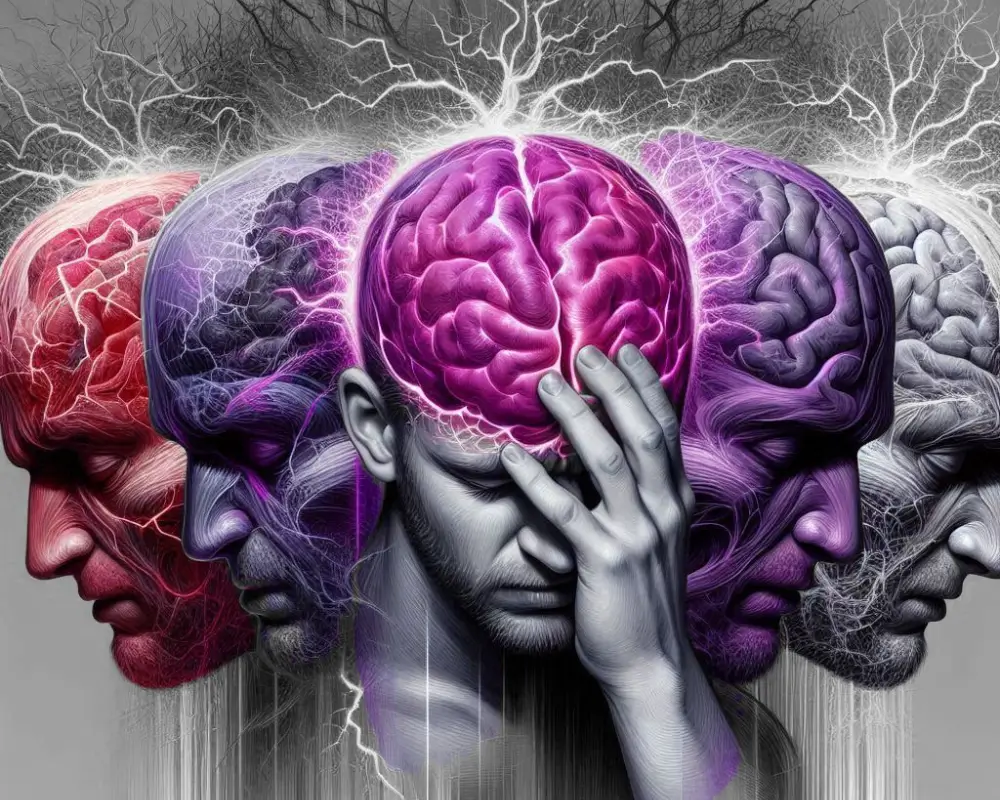
A migraine is more than just a “really bad” headache; it is a complex neurological event that comes with a multitude of symptoms emanating from the central and peripheral nervous system. These symptoms can be present hours to days prior to the headache, a period known as the “prodrome” (also known as “pre-headache” or “pre-monitory” phase). During the prodrome, symptoms can include food cravings, mood changes, fatigue, problems concentrating, etc. In some, an aura will ensue and can include such things as visual distortion, numbness, dizziness, or problems speaking.
The aura can occur in isolation, but more commonly, is a warning that the headache associated with migraine is about to occur. Following resolution of the headache, symptoms of fatigue, altered mentation and depression or euphoria may be present for hours to days. This is a period known as the “postdrome” which can also last days. Many refer to this as the “migraine hangover”.
Status Migrainosus
The phenomenon known as “status migrainosus” (also known as “prolonged migraine” or “migraine status”) is considered one of the complications of migraine. Status migrainosus is an unremitting migraine attack lasting longer than 72-hours. The attacks are debilitating in nature from either the pain itself or associated features such as nausea and vomiting. Although oral treatments (e.g., steroids or NSAIDS) and some procedures (e.g., occipital nerve blocks) may be of benefit, typically, the most definitive treatment requires intravenous infusion therapy (IVIT).
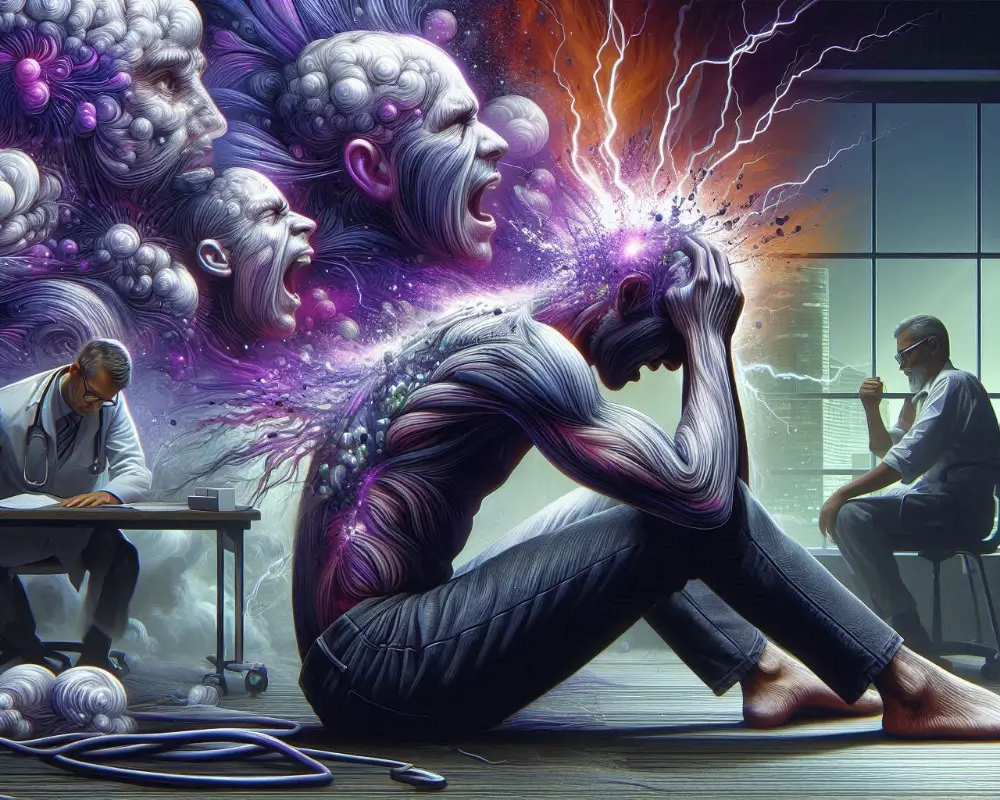
Per the International Classification of Headache Disorders, 3rd edition (ICHD-3), other complications of migraine include persistent migraine aura without infarction, migrainous infarction and migraine aura-triggered seizures.
Cortical Spreading Depression
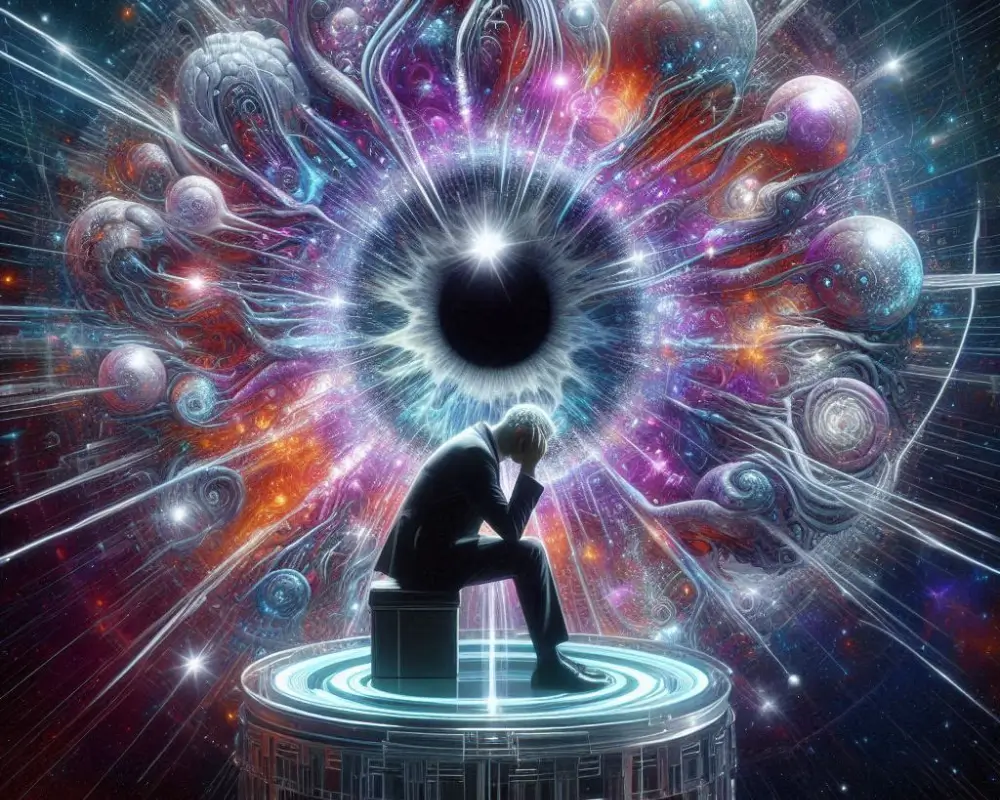
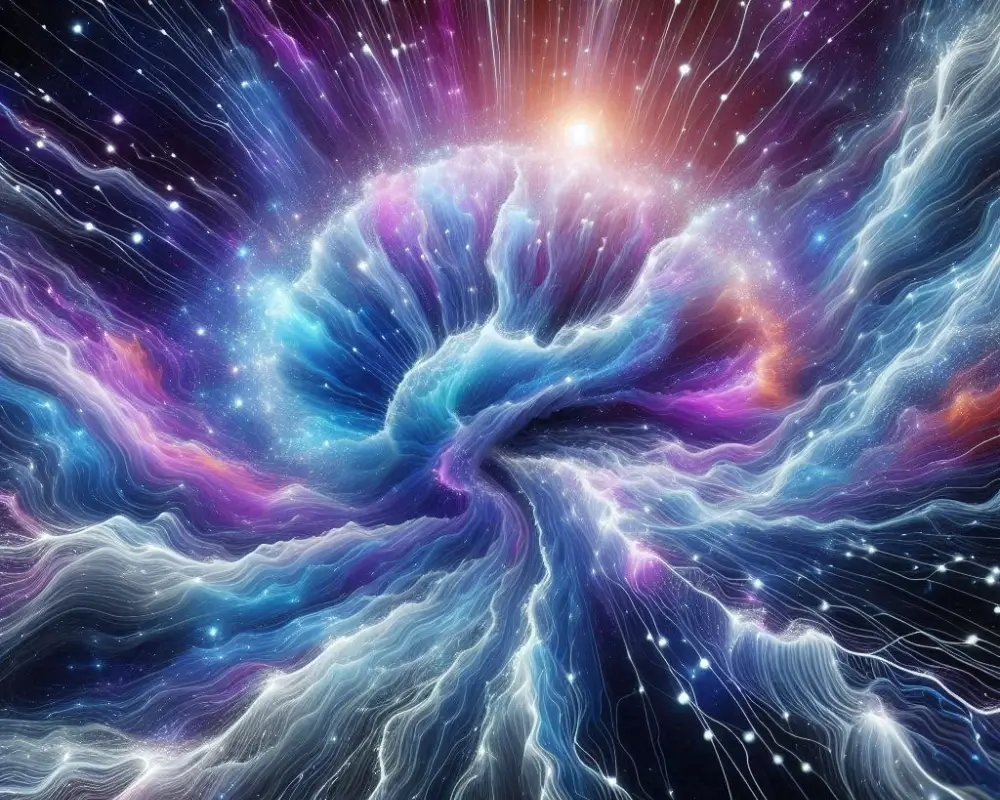
Disruptions of the brain’s electrical activity may account for a multitude of the symptoms experienced either before, during or after a migraine attack. Cortical (denoting the outer layer of the brain and portrayed in this image) electrical activity results from the synchronized flow of ions (such as sodium, potassium, and magnesium) across a neuronal membrane. Like a beautiful symphony, these ions pass across the membrane in a highly orchestrated fashion via ion channels (protein passages allowing controlled movement). When these channels are not functioning correctly (known as a “channelopathy”), migraine may ensue.
A dramatic example of such dysfunction is seen in the clinical condition known as hemiplegic migraine (HM). Individuals with HM experience distinct episodes of fully reversible motor weakness that may last up to 72-hours or even weeks in some. The weakness is not the result of a muscle problem, but rather corresponds to a wave of decreased electrical activity that migrates across the motor strip of the brain. Both genetic (familial hemiplegic migraine [FHM]) and sporadic forms of this condition exist. Familial hemiplegic migraine type I (FHM1) has been linked to a calcium channel (CACNA1A) defect on chromosome 19. Likewise, FMH2 results from a mutation on chromosome 1 which calls for a K/Na-ATPase channel (ATP1A2); and FHM3 is a consequence of a sodium channelopathy (SCN1A) on chromosome 2.
Central Sensitization
Migraineurs may experience neuronal sensitization of the pertinent pathways involved in migraine and related brain structures. This sensitization can occur within an attack or be the accumulation of attacks over time, even a lifetime. When sensitization occurs, a normally non-problematic stimuli (event) may become painful or unpleasant. For example, when sensitized via migraine, brushing/combing one’s hair can be exquisitely painful. Furthermore, the pain tends to be worse on the side where migraine is present or more commonly occurs. This clinical symptom is known as allodynia and can be confined to the head (cephalic allodynia) or affect other body parts (extra-cephalic allodynia).
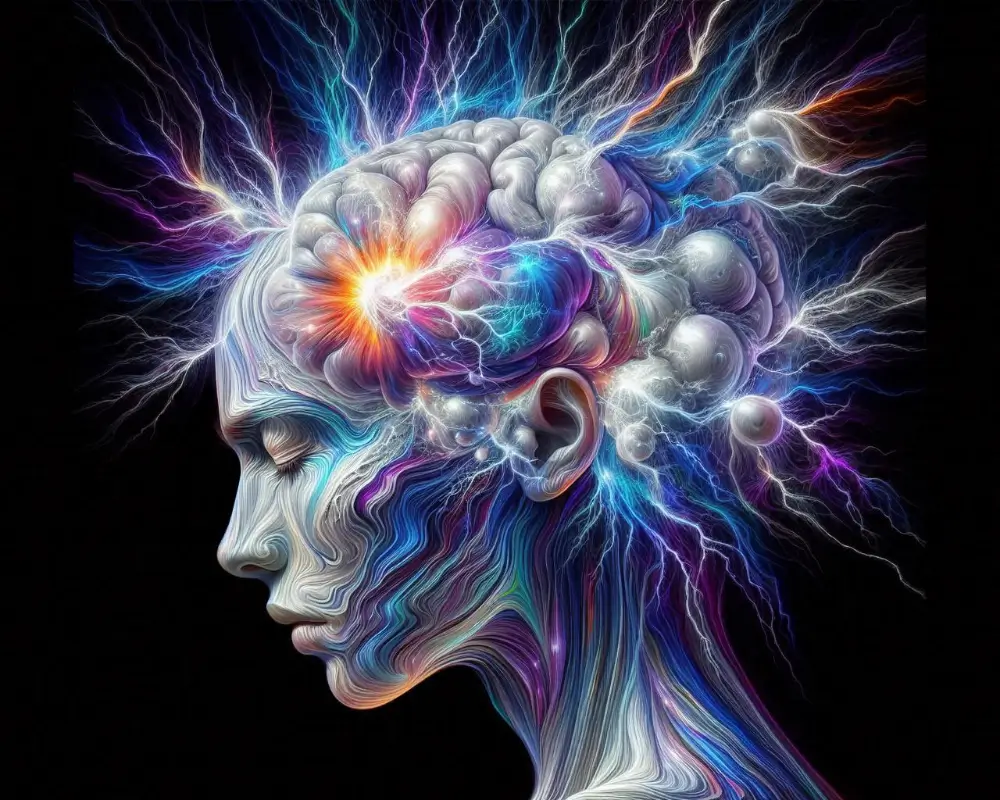
Of clinical significance, certain types of medications (e.g., triptans) may be less effective when allodynia is present. Additional research suggests that the limbic system (part of the brain involved in emotions) may also be vulnerable to the sensitization process. For example, migraineurs are more likely to experience misophonia, an irritability or anger that results from hearing non-noxious noises such as someone eating or clicking a pen. Other examples of possible limbic sensitization include trypophobia (an aversion or repulsion induced by images of repetitive patterns or holes [e.g., lotus flower seeds]) and “tactile-emotional synesthesia” (a strong emotional response associated with touching various surfaces or textures).

Like the phoenix from the ashes, they may defeat you, burn you, insult you, injure you and abandon you. But they will not, shall not, and can not destroy you. For you, like Rome, were built on ashes, and you, like a phoenix, know how to resurrect.
Nikita Gill
Get in Touch