
Headache & Facial Pain Conditions We Treat
The Phoenix Headache Institute understands that not all headaches are the same for everyone. We take in-depth diagnostic evaluations and utilize highly integrated physician teams to know what you are experiencing.
Below are the conditions we effectively treat with multidisciplinary, therapeutic approaches, and cutting-edge methodology.

Migraine, Episodic and Chronic
A complex neurologic condition characterized by associated features such as moderate-to-severe headache, light sensitivity, sound sensitivity, nausea, and/or vomiting. Considered chronic when an individual has more than 15 headache days per month for more than 3 months.
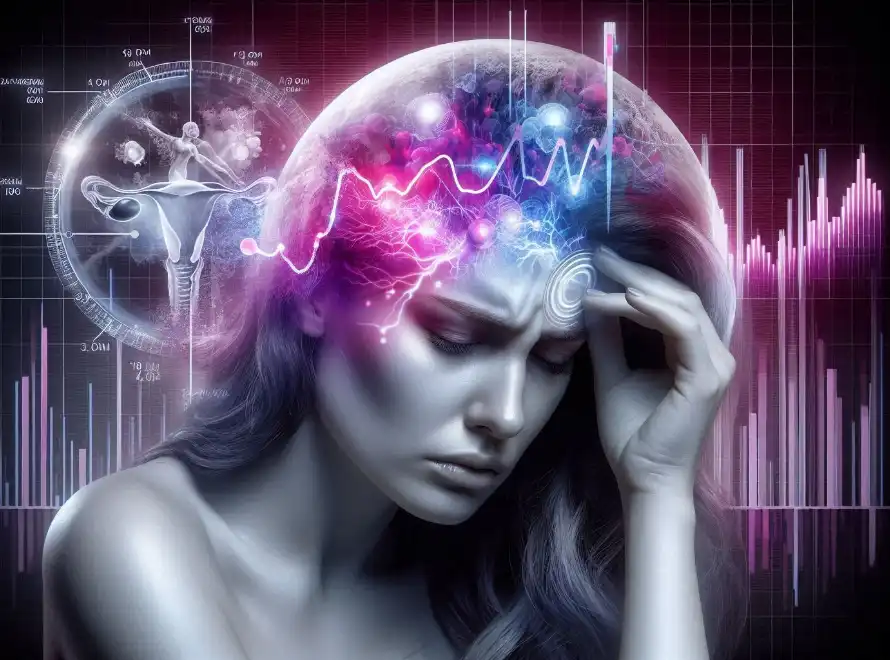
Menstrually-Related Migraine
Migraines are considered menstrually-related if attacks occur within 2 days of menstrual period onset for at least 2 out of 3 menstrual cycles.

Migraine with aura
Patients with migraine with aura will at times experience neurologic symptoms such as visual changes or paresthesia prior to onset of the headache phase of their attack.

Migraine Aura Without Headache
A complex neurologic condition characterized by aura symptoms only, without any head pain. Aura symptoms can vary widely and can include visual disturbances, sensory changes, etc.
Hemiplegic And Basilar Migraine
A complex neurologic condition characterized by aura symptoms described as one-sided weakness (plegia) prior to onset of headache. This is a more rare form of migraine aura.

Migraine During Pregnancy
Studies show that for most women with migraine, headaches typically improve during pregnancy. This is thought to be due to high levels of estrogen that remain stable throughout a pregnancy.
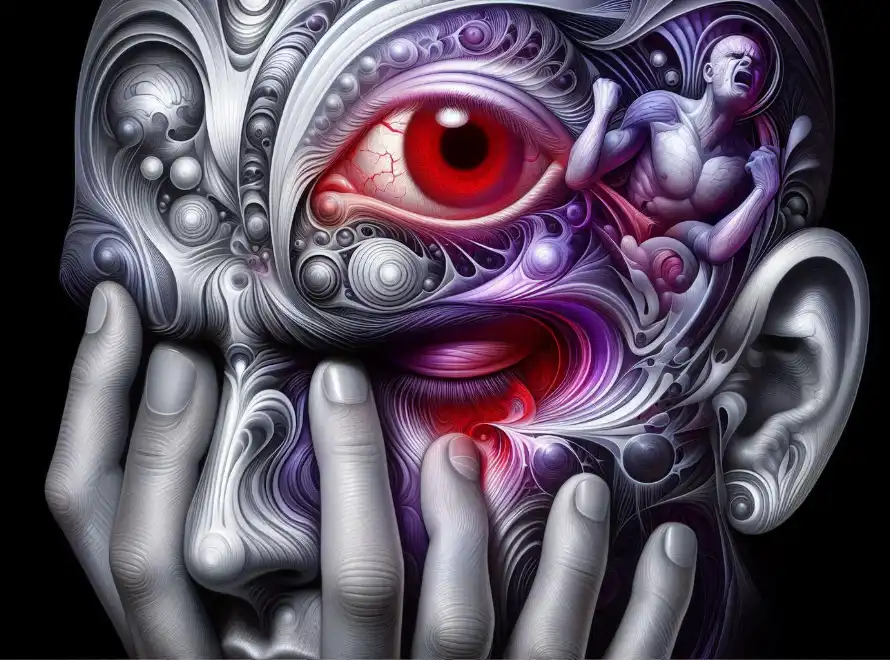
Cluster Headache
Attacks of severe, unilateral, typically retro-orbital head pain that occurs in “clusters” around the same time of day/year. Attacks are often associated with eye tearing and last less 4 hours in duration. An individual can have multiple attacks per day during a cluster cycle.
Tension-Type Headache
Typically bilateral headaches of mild-to-moderate severity not affected by physical movement/activity. They are often “featureless” without any signs of light/sound sensitivity or nausea.

"Sinus" Headache
Headache associated with objective sinus disease. Migraine is often misdiagnosed as “sinus headache.”
Hemicrania Contínua
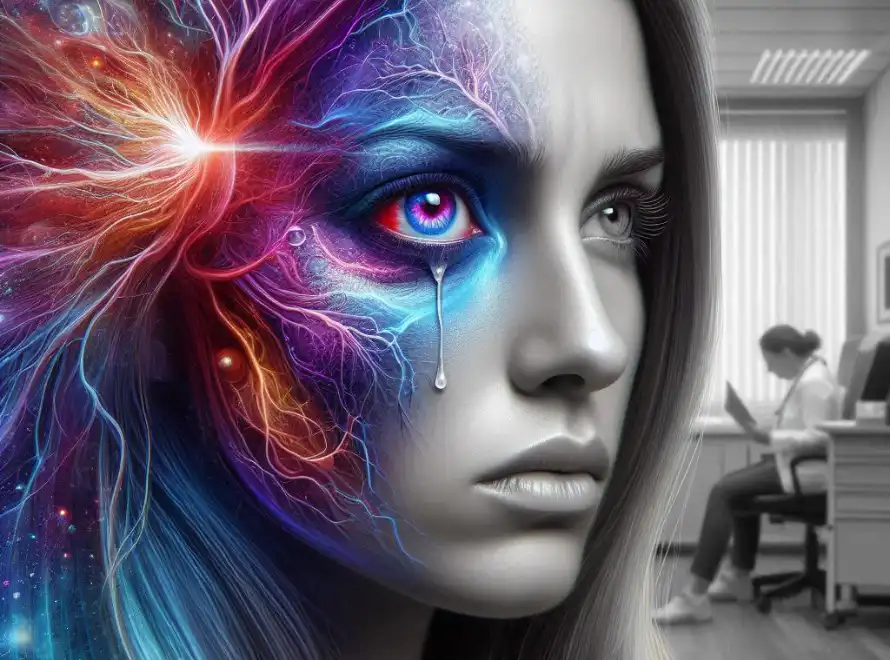
A continuous, one-sided headache that can vary in intensity throughout the day, but never goes down to a “zero” pain level. Often associated with “cranial autonomic symptoms” such as eye tearing/redness, facial flushing, etc.
Trigeminal Neuralgia
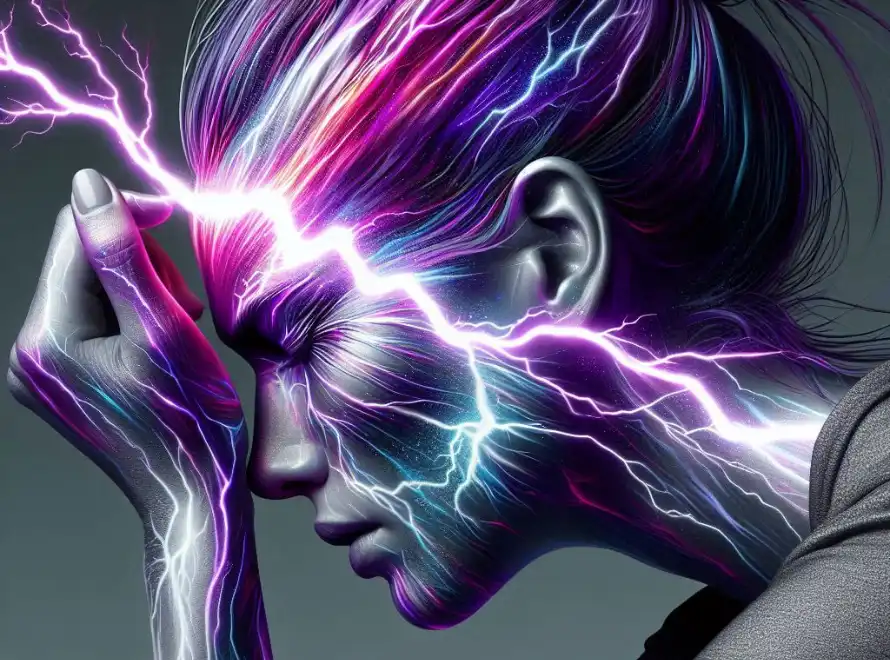
Characterized by “shock” like pain along the distribution of the trigeminal nerve. These are usually short lived attacks but can be quite severe in intensity when they do occur and are often described as “jolts” of pain.
Cervicogenic Headache
Headache related to arthritis or other degenerative disease of the cervical spine. Can be unilateral or bilateral and often triggered by certain head or neck movements/positions.

Occipital Neuralgia
Sharp, shooting pain along the back of the head that often radiates over the top of the head in the distribution of the occipital nerve. More often unilateral, but can be bilateral.

Paroxysmal Hemicrania, episodic and chronic
Episodes of short-lived (5-30 minutes), severe, unilateral head pain. Often patients have greater than 5 episodes per day with associated “cranial autonomic symptoms” such as eye redness/tearing, sinus congestion, etc.

Idiopathic Stabbing Headache
Also known as “ice-pick headaches,” these are a sharp, stabbing, pinpoint pain on the head that lasts for seconds to minutes. This can occur anywhere on the head and it is not uncommon for it to be on either side of the head.

Medication Overuse Headache
This can occur when someone with migraine uses acute medications too often, leading to an overall increase in the frequency and severity of their headaches as a result of developing medication overuse headache.
Intracranial Hypertension
Headache caused by elevated intracranial pressure. Can be idiopathic (no known cause) or secondary to another condition/issue. Typically has associated visual disturbances, pulsatile tinnitus, and worsening/refractory daily headaches.

Intracranial Hypotension
Headache caused by low intracranial pressure. This can be spontaneous (no exact cause) or related to leakage of CSF fluid from the spine following a trauma/procedure. Typically, the headache is improved/resolved while laying flat and worse with being upright.

Indomethacin Responsive Headache Syndromes
There are 7 different indomethacin responsive headache syndromes. These are specific headache conditions that have 100% pain relief with adequate doses of a medication called indomethacin.

Primary Exercise Headache
Headache caused by any form of exercise. Can occur during or after exercise and typically lasts less than 48 hours in duration.
SUNCT Syndrome
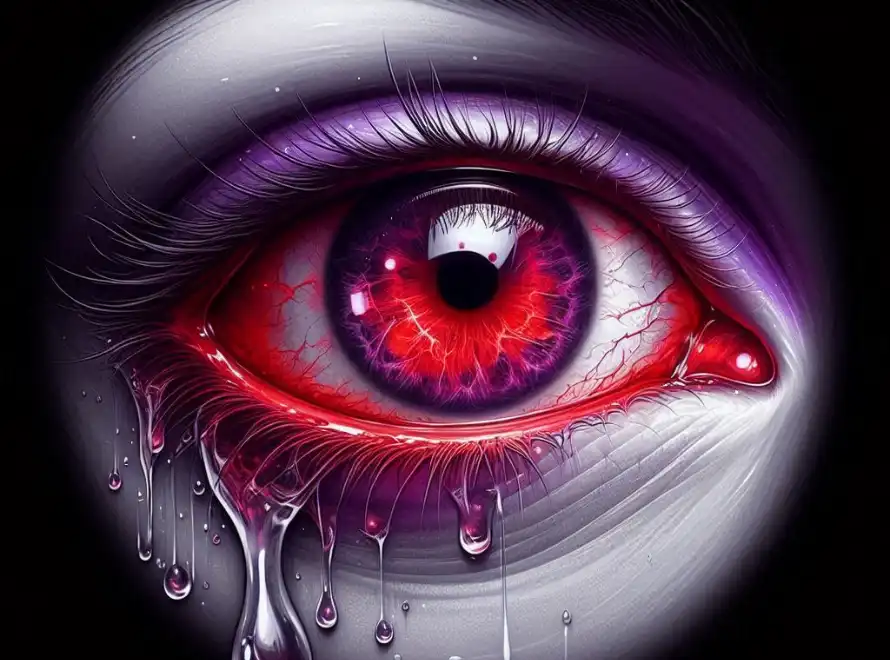
Attacks of strictly one-sided head pain lasting seconds to minutes in duration. Often times will occur multiple times per day. Most tell-tale symptom is significant eye watering and redness of the eye on the side of pain.
Hypnic Headache
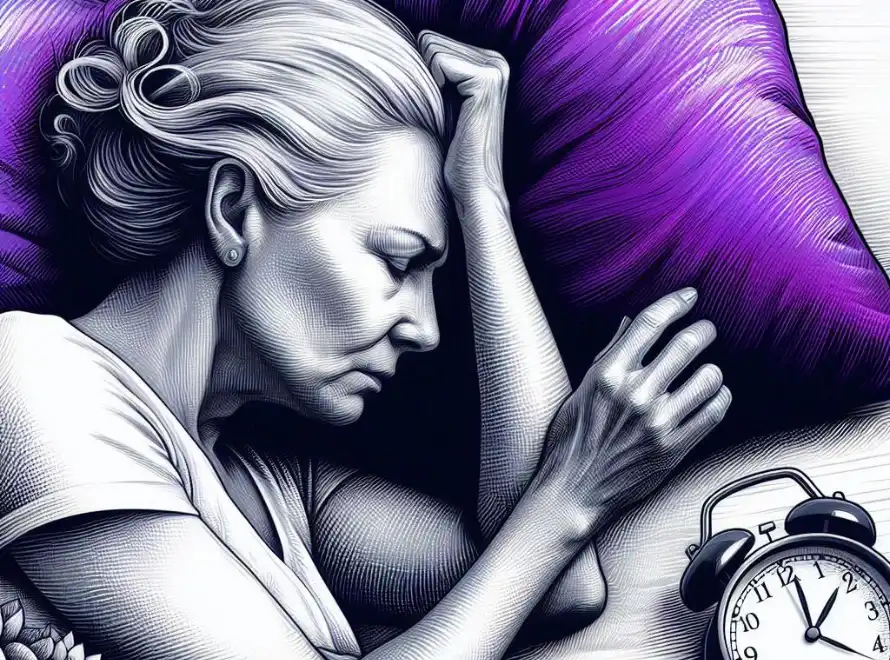
Headache attacks developing exclusively during sleep, causing the person to awaken, and lasting for up to 4 hours. Almost exclusively seen in those over 50 years of age.
Cough / Valsalva-Induced Headache
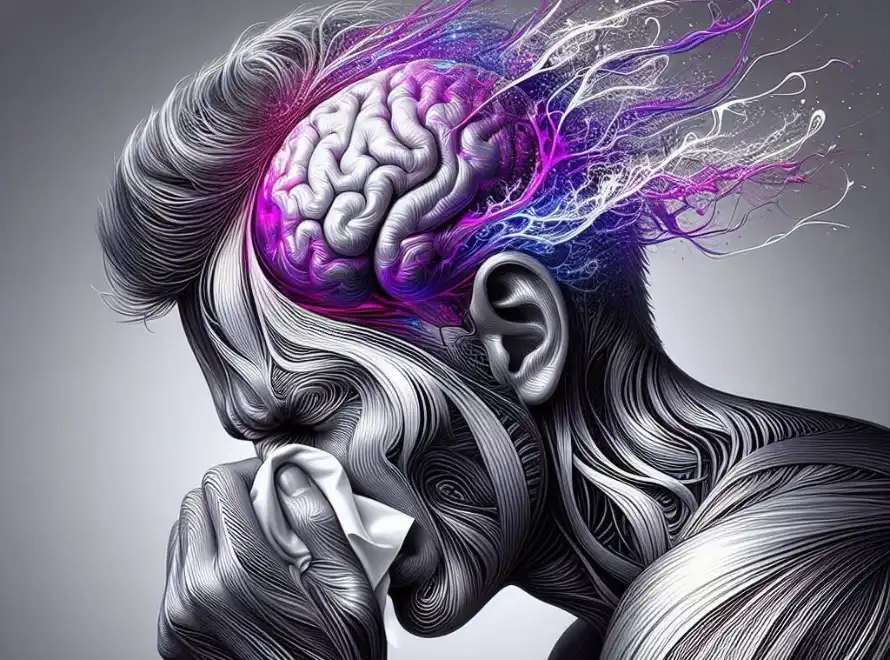
Headache that is triggered by coughing or straining. Can be a primary headache condition or from a secondary cause.

Headache associated with sexual activity
Headache brought on by sexual activity or orgasm. Can be a primary headache condition or from a secondary cause.

New Daily Persistent Headache (NDPH)
Continuous, daily headache that is daily from the onset. Exact onset of pain is typically very clearly remembered. There are no characteristic features as it can often resemble migraine or tension type headache.
Abdominal migraine
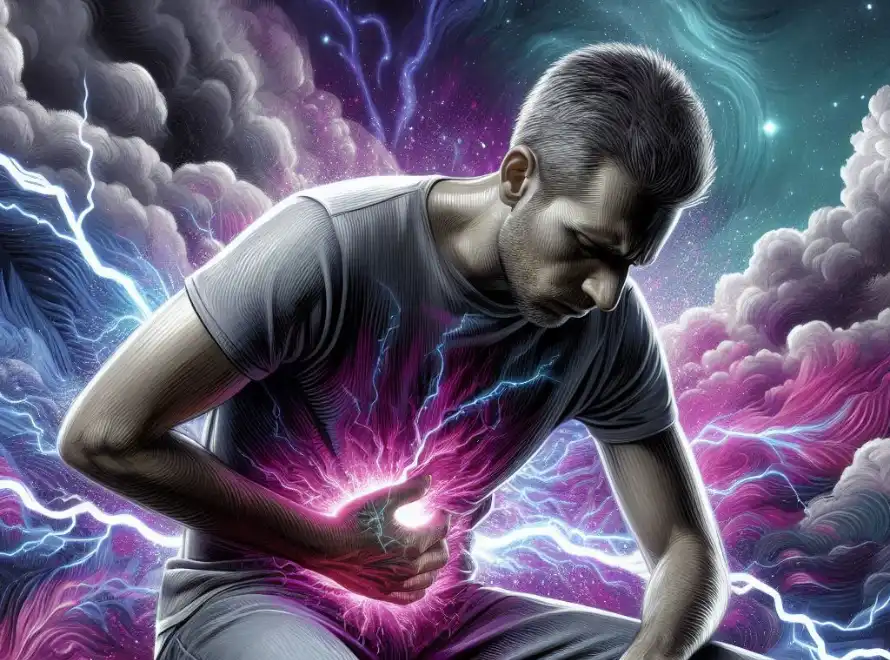
Attacks of moderate to severe abdominal pain, associated with vasomotor symptoms (such as flushing), and nausea and vomiting. There is NO headache associated with abdominal migraine attacks.

Suffering can lead to transformation. And redemption. And marvelous mystery.
Dr. Allen Hunt
Get in Touch